
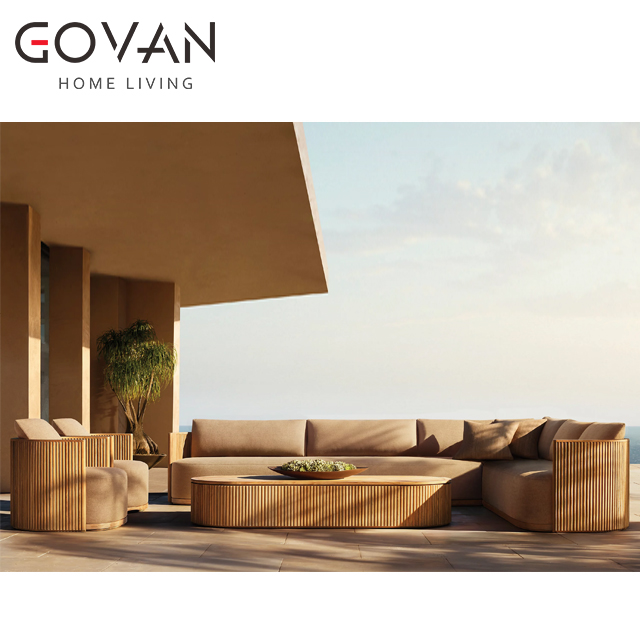
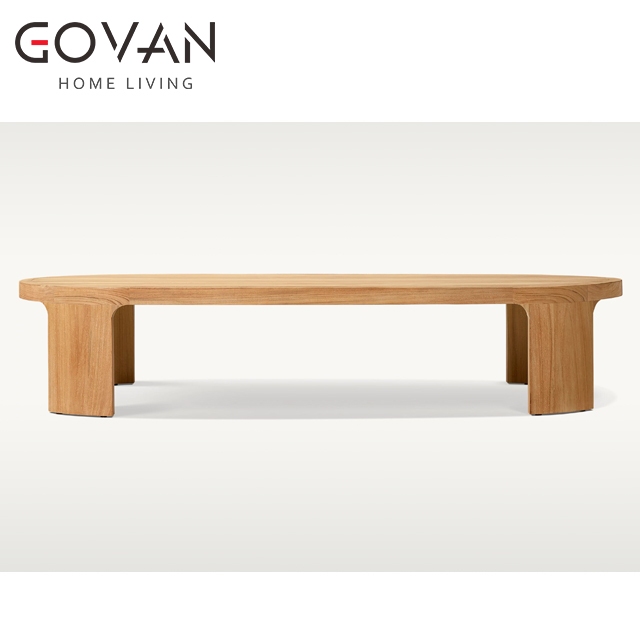
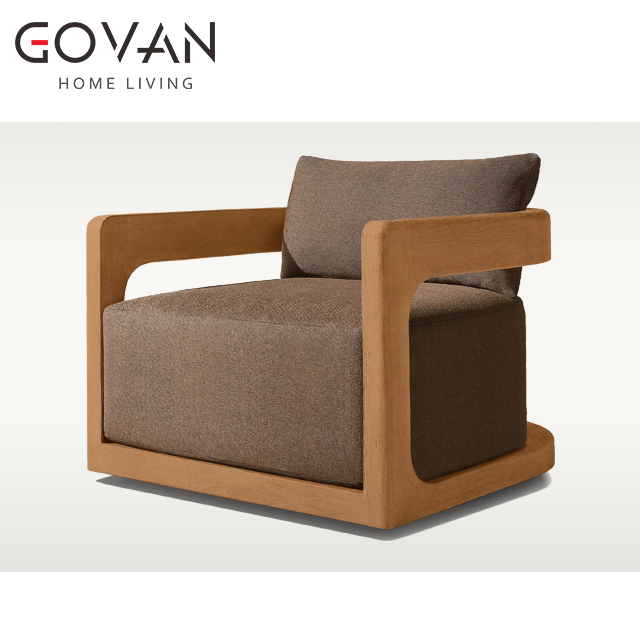
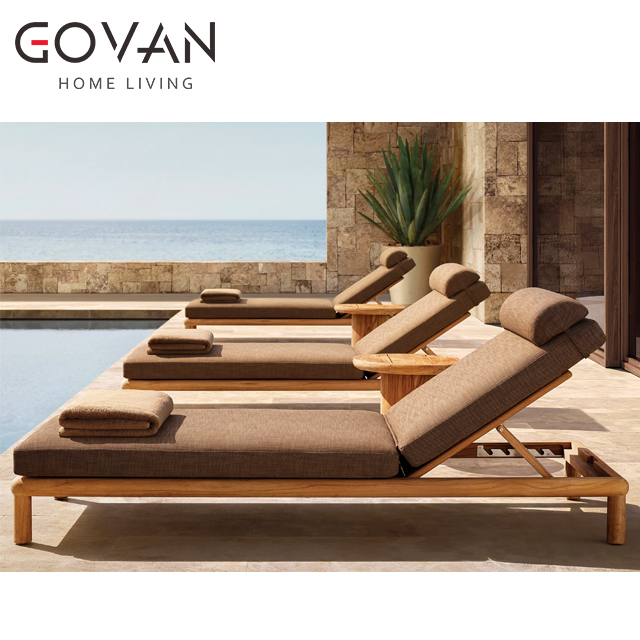
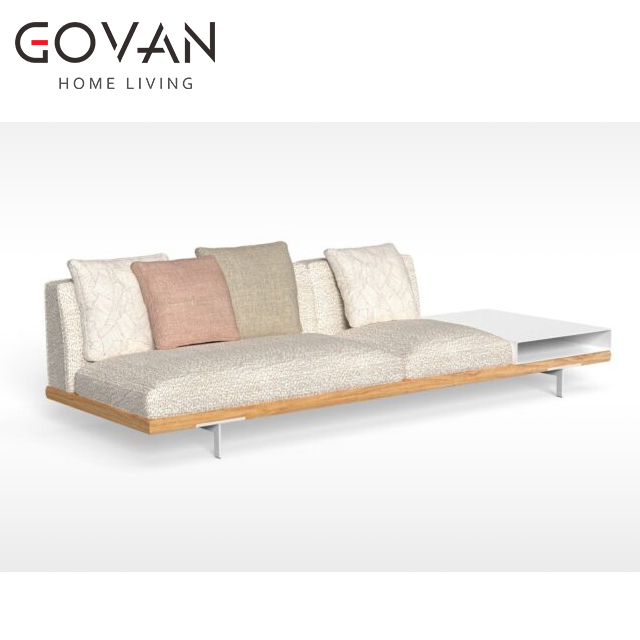
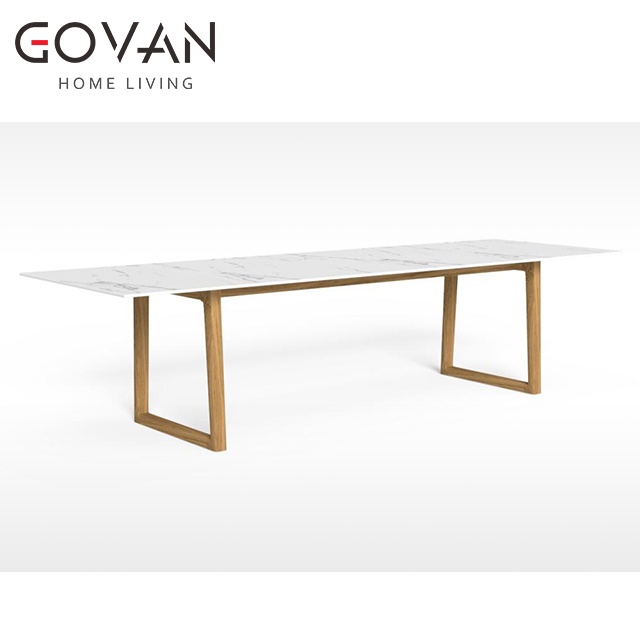
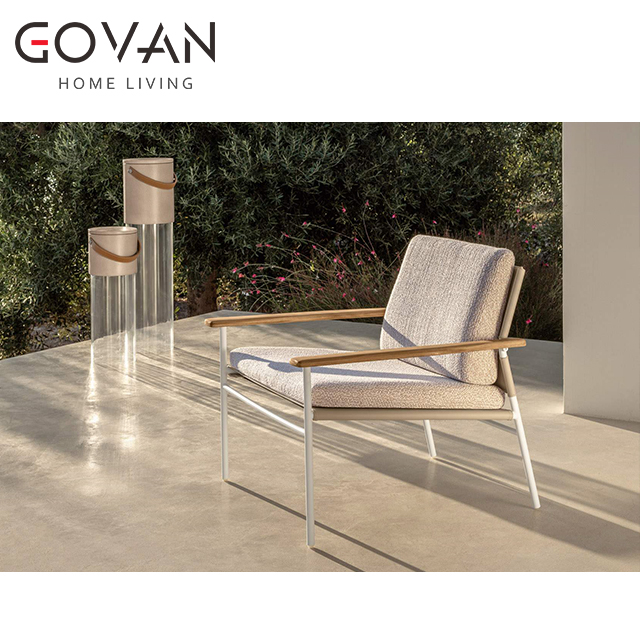
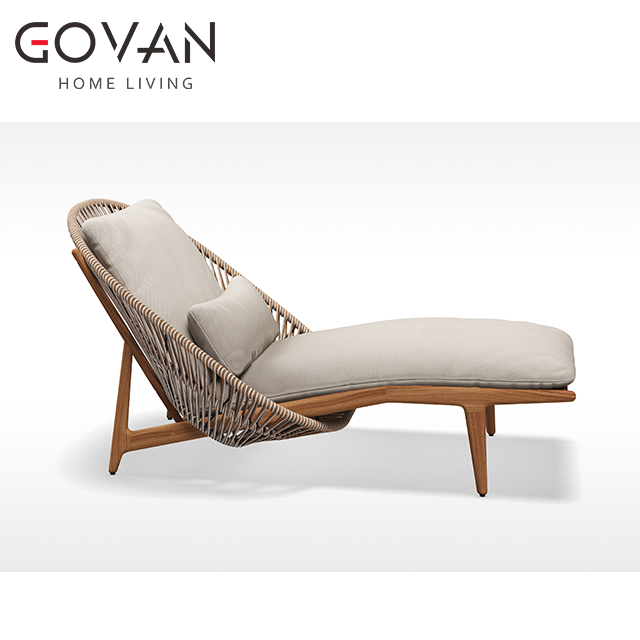
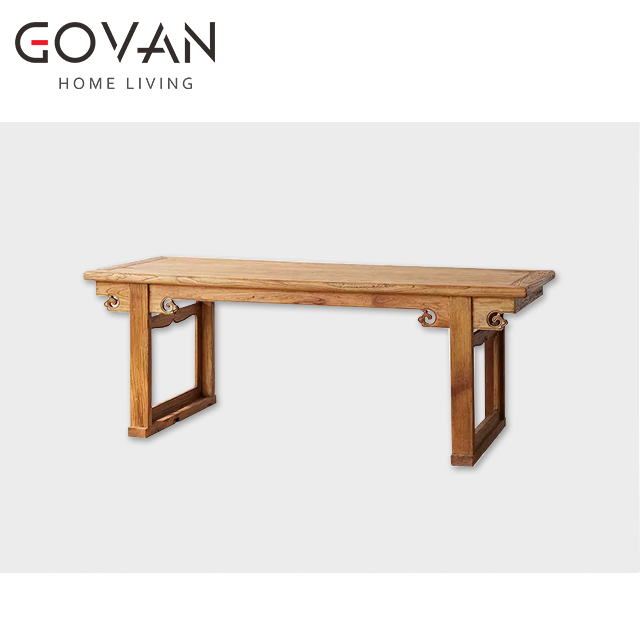
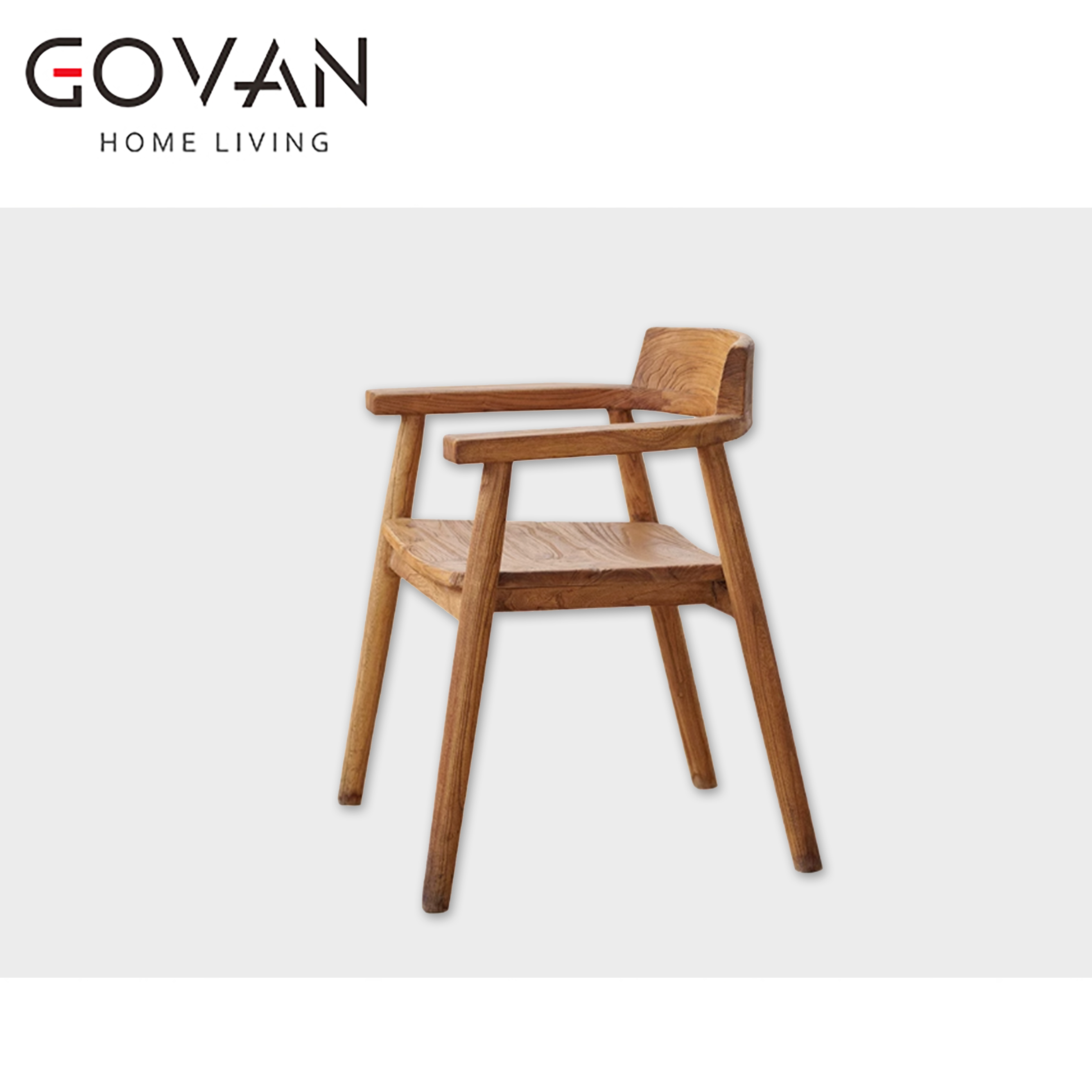
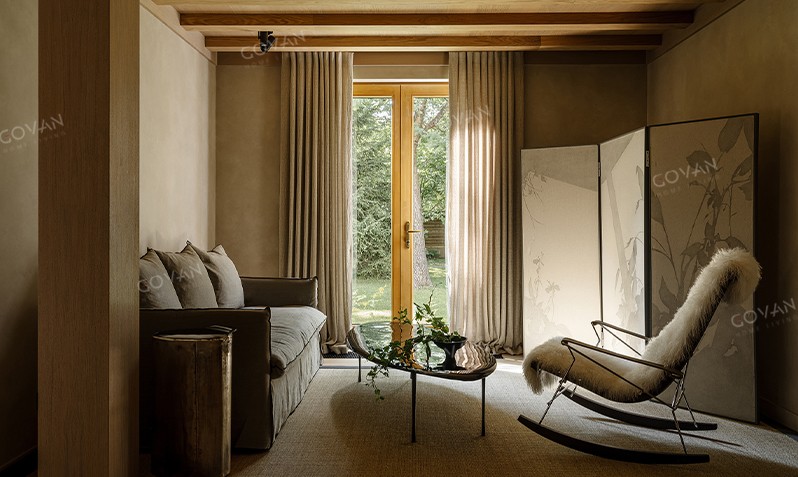
Wabi-Sabi and Minimalism both celebrate simplicity, yet their philosophies differ. Wabi-Sabi embraces imperfection, natural aging, and organic textures—finding beauty in the incomplete and transient. Minimalism, on the other hand, focuses on clarity, function, and intentional reduction, often favoring clean lines and refined forms.
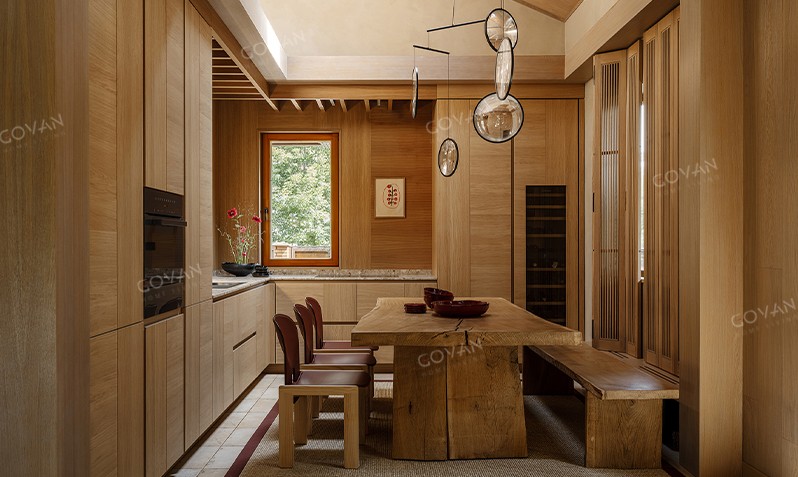
While Minimalism seeks perfection through simplicity, Wabi-Sabi values authenticity and the passage of time. Together, they offer two distinct paths to calm, meaningful living spaces.
Application in Design
Whether it’s the natural grains of solid wood furniture or handcrafted art pieces, Wabi-Sabi promotes the use of minimalist and historically rich elements in modern spaces, creating an atmosphere of tranquility, harmony, and authenticity.
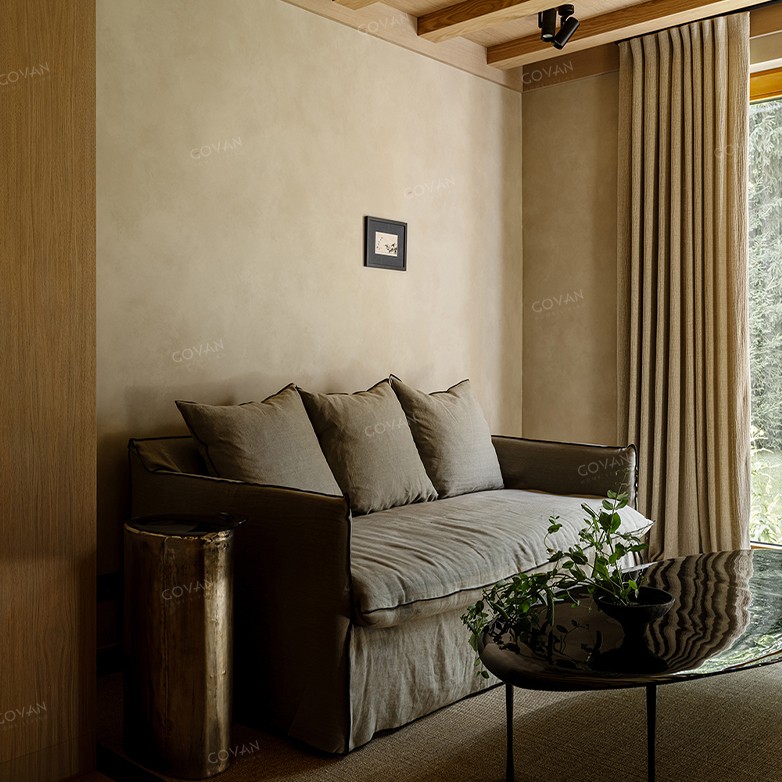
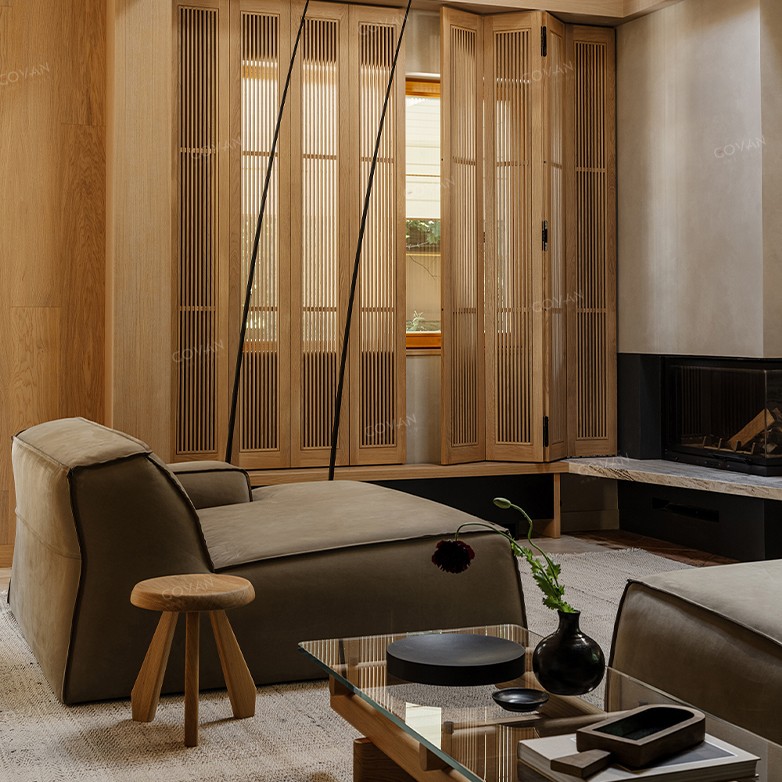
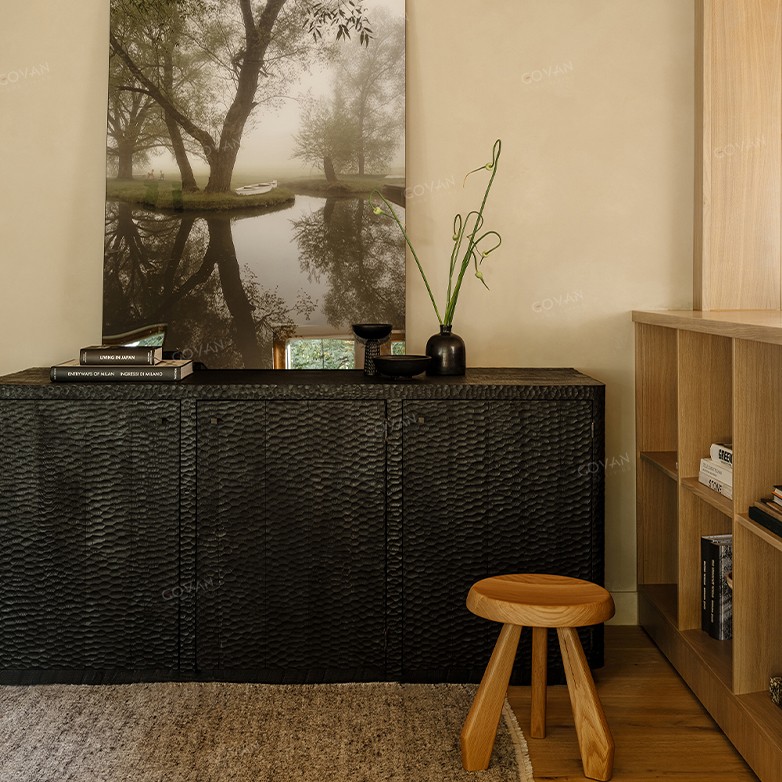
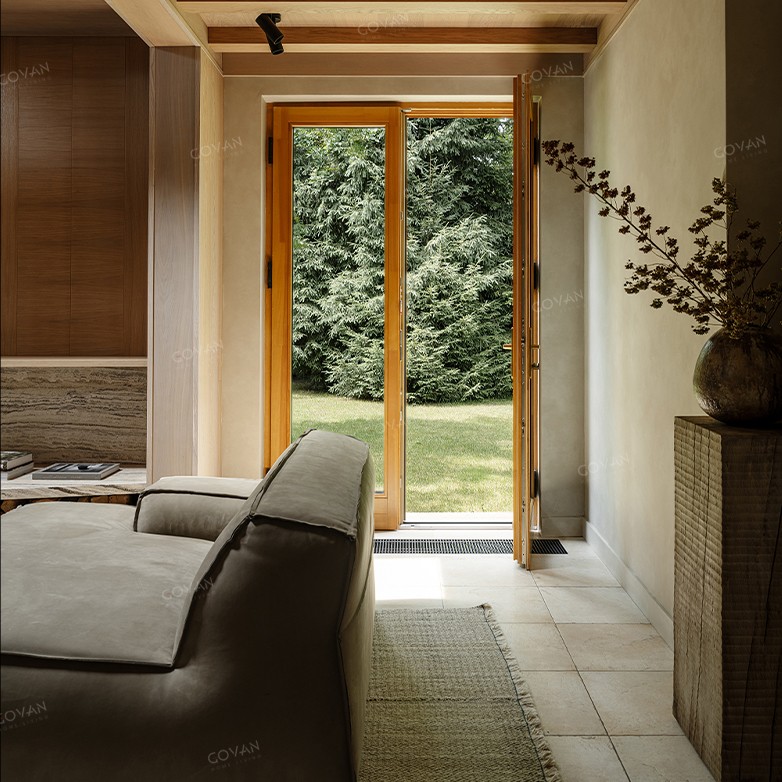
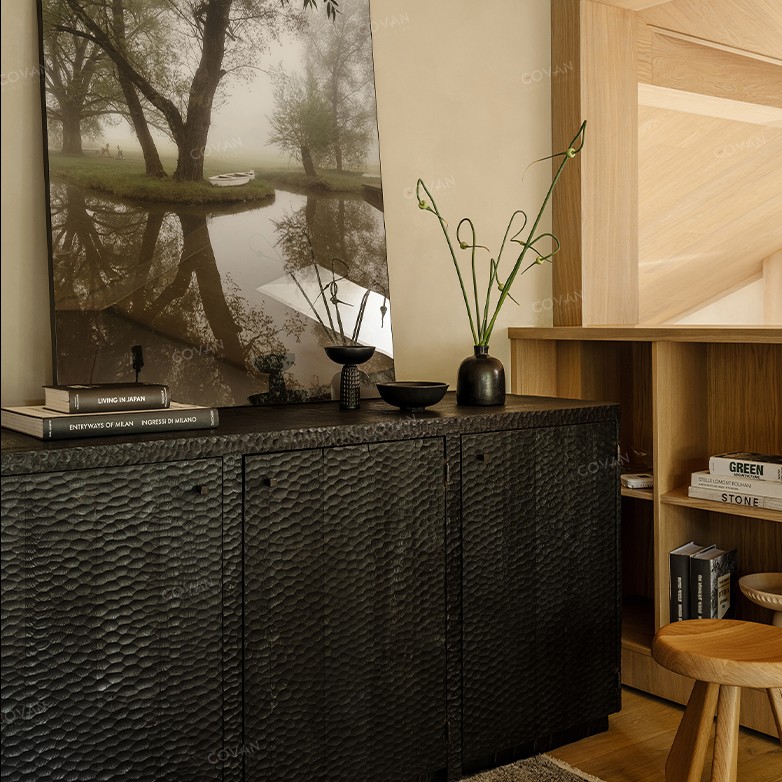
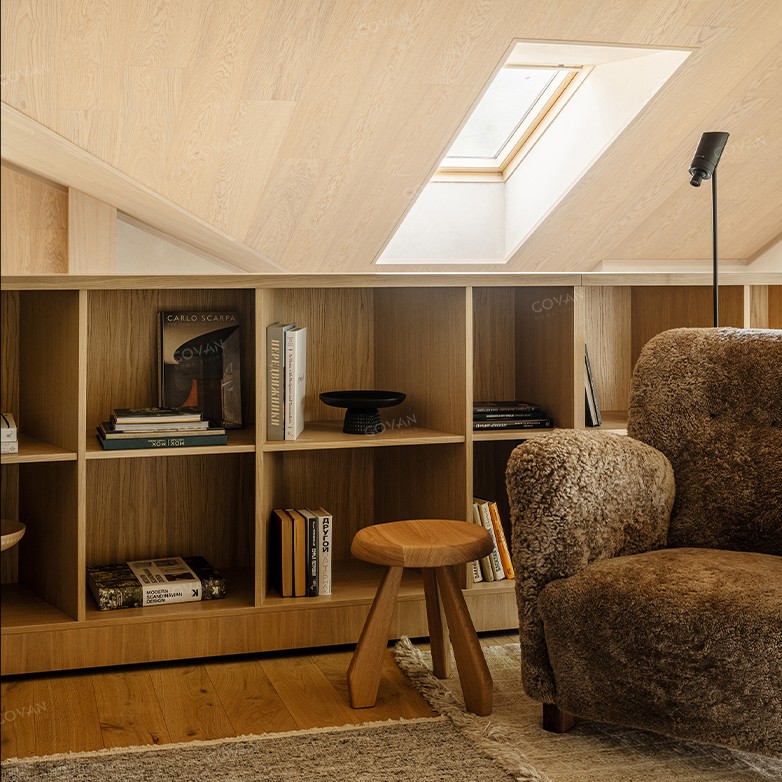
Wabi-Sabi is an aesthetic concept that opposes excessive decoration and fast consumerism in modern society. It advocates appreciating simple, natural, and authentic beauty, while also teaching us to find inner peace in imperfection.
